

Decorating with dried flowers has become one of the most stylish and effective ways to bring lasting nature into our homes. Unlike fresh blooms, which fade quickly and require constant care, dried and preserved stems offer the beauty of botanicals with minimal maintenance. They are perfect for home décor, gifting, weddings, and anywhere you want a touch of natural elegance that endures. Rather than drying flowers yourself, you can select high‑quality stems from a specialty shop tailored for this purpose. In this article, we’ll cover how to choose the right dried flowers, how to match them to your interior style, how to arrange them for maximum impact, and how to care for them so that they remain a beautiful part of your décor for months or even years.
1. Why choose dried flowers?
Dried and preserved flowers offer several advantages compared with fresh blooms. For one, their durability means you get long‑lasting décor without the constant replacement that fresh flowers demand. According to interior design sources, dried flowers bring nature indoors without the maintenance cycle of watering, trimming and discarding. They also allow for a wider palette of textures and shapes — pampas plumes, bunny tails, dried heads, seed pods — offering interest and depth that fresh blooms often lack.
Because you’re buying from a shop rather than drying yourself, you benefit from expertly preserved stems that hold their colour, shape and texture. This is especially useful if you are looking for “set it and forget it” décor or want to incorporate florals into more challenging spots like busy home offices or seasonal displays.
Moreover, dried flowers are a more sustainable option. They reduce the waste associated with weekly fresh flower replacements, and the labour of continual maintenance. All of these reasons combined make dried flowers a smart choice for stylish, long‑lasting decoration.

2. How to choose the right dried flowers for your space
Selecting dried flowers from your shop involves understanding a few key factors: colour and tone, texture and shape, size and scale, and how they will match your home’s aesthetic.
- Colour and Tone: Begin by reviewing the palette of the room you are decorating. If your room employs warm neutrals (beige, cream, taupe), then dried stems in faded apricot, ivory, muted pink or soft caramel will blend seamlessly. If you have cool‑toned décor (grey, black‑metal, white), then silver‑grey eucalyptus, muted lavender or charcoal seed pods provide a subtle but striking contrast. It’s wise to choose 2‑3 colour tones for your arrangement so it reads coordinated yet layered
- Texture and Shape:Dried flowers excel in texture. Mixing textures gives your display visual richness. For example, combining the bead-like, granular texture of rice flower with smooth foliage creates immediate interest. Adding spiky teasel heads or feathery pampas can introduce variety, while using broad leaves helps ground the arrangement. The contrast between soft blooms and structured foliage is key to a professional look.
- Size and Scale: Consider the scale of your container and space. Tall vases on floor or console tables call for long stems (>60 cm) like pampas or oversized heads. Smaller vases on side tables work better with shorter stems or grouped bunches. If you choose very long stems in a low pot, the effect can feel off‑balance. The aim is harmony between vase height, bloom size, and room context.
- Shop Quality and Preservation: Since you’re sourcing from a shop, check that the dried stems have been properly processed (e.g., low humidity, stabilised colours, no dampness). Well preserved stems will resist shedding, fading and brittleness. Quality matters, especially if you want them to last many months.
3. Arranging your dried flowers for maximum impact
Once you’ve chosen your stems, how you arrange them makes all the difference. Here are several steps and approaches to help you style them well.
Step 1: Choose your vessel
The container you pick matters. Clear glass vases showcase stems beautifully; rustic terracotta or ceramic vessels add warmth; metal or painted vases feel more modern. Avoid tall thin vases for very short stems, and avoid wide shallow bowls for very long stems — the mismatch can compromise the display.
Step 2: Trim and prepare stems
When you bring your stems home, remove any leaves below the water‑line (if you were using fresh). For dried stems you want to remove any loose fragments and ensure the base sits firmly in the vase. For very tall stems, you might trim to a manageable length so the overall arrangement height is about 1.3‑1.5× the vase height.
Step 3: Create structure and depth
Start with your structural stems — larger heads or foliage. Place these toward the back or centre depending on your view angle. Next, layer in the mid‑sized stems and then the more delicate sprays or textures. Aim for a natural, slightly asymmetrical layout—avoid everything the same height. One good trick is to trim 2‑3 stems shorter than the rest to create “breathing space”.
Step 4: Colour‑and‑texture balance
Make sure your arrangement isn’t too busy. If you have one standout bloom, surround it with simpler textures and keep filler elements neutral. If your stems are very colourful, choose a neutral vessel to balance. Dried stems allow you experiment — for example mixing a bright bunny tail spray with muted seed pods for contrast.
Step 5: Placement in the room
Where you put your arrangement influences how it’s perceived. A dried floral display on a mantelpiece or console table can become a focal point. On a dining table a mid‑height arrangement works best (so diners can see past it). In a bedroom you may prefer minimal single stems in bud vases for subtle décor.
Tips for special arrangements:
-
Minimalist look: Choose a single large bloom and place it in a tall narrow vase for dramatic simplicity.
-
Textural cluster: Create a bunch of mixed stems in the same tone (e.g., blush pink, neutral cream) for a cohesive look.
-
Accent piece: Use dried stems as part of a seasonal vignette—e.g., a bundle of seagrass and seed pods in a tray with candles in autumn.
-
Shelf styling: A short vase of dried stems beside a stack of books or framed photo adds layered interest without overwhelming.
4. Match dried flowers to interior styles
Different décor styles benefit from particular types of preserved flower displays. Here are some pairings using specific botanicals:
- Scandinavian / Minimalist: Use neutral tones, clean lines and simplicity. A single branch of Preserved Ming Fern in a clear glass vase creates an airy, forest-like feel without clutter. Alternatively, try bleached foliage in white or pale grey. Keep colour within a tight palette—e.g., white, soft sand, pale olive.
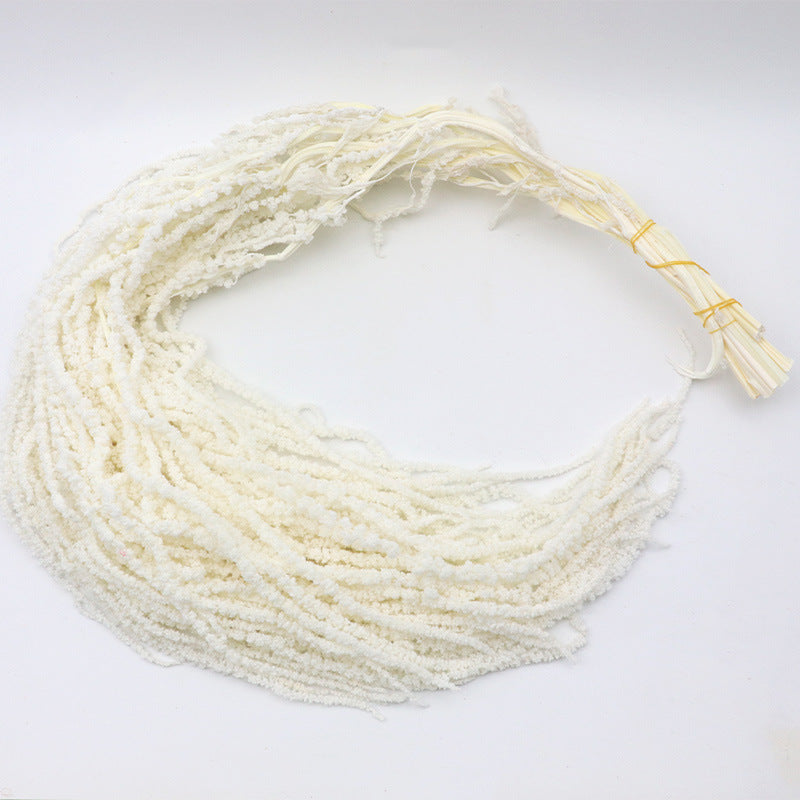
- Bohemian / Textural: Choose volume and flow. Hanging Amaranthus is perfect here, as its cascading tassels add a relaxed, artistic vibe. Mix with wheat sprays, seed pods, and oversized bunches. Materials like rattan, terracotta or raw clay vases amplify the effect. Colour can be richer—muted rose, amber, chocolate tones.
- Rustic / Farmhouse: Opt for warm neutrals, burlap or wood containers. Bunches of wheat mixed with eucalyptus sprays work beautifully to add a "freshly picked" meadow look that lasts. Dried flowers in metal milk jugs or thrifted ceramic pots fit naturally here.
- Contemporary / Luxe: Choose bold single stems—such as Preserved Billy Buttons in saturated colours—vocals of metallic vases or glass tubes, and groupings of three at varied heights. Texture plays a big role—seed pods, preserved leaves, and structured shapes.
5. Care and maintenance of dried flower arrangements
One of the main benefits of dried and preserved flowers is their low‑maintenance nature—but they still deserve a little attention to stay beautiful.
Avoid direct sunlight and high humidity
Sunlight can fade colours and humidity can cause shrivelling or mould. Place arrangements in dry, shaded spaces for the best longevity.
Dust gently
Use a soft brush or a hair dryer on cool‑air mode to gently remove dust every few weeks. Keeping them clean maintains their visual impact.
Handle carefully
Dried stems are more brittle than fresh, so avoid repeatedly moving or rearranging them aggressively. If a stem breaks, you can tuck it into another area with wire or floral tape.
Refresh when needed
If you notice a fade or droop, you can replace individual stems rather than the whole arrangement. Keeping a “spare” stem from your shop can help prolong the display.
Use protective spray (optional)
Some preserved florals benefit from a light coat of clear matte fixative spray to reduce shedding and protect colour — especially if they’re in high‑traffic areas.

6. Incorporating shop‑bought preserved and dried stems
Instead of drying flowers yourself, buying high‑quality stems from a dedicated shop ensures consistency, colour stability and variety. When you purchase from a reliable store, you get access to materials that are professionally processed and ready to style immediately.
Why choose shop‑bought?
- Consistent quality and colour—no guesswork from DIY drying.
- Broader selection of textures, forms and colours—giving you access to unique varieties found in our All Preserved Flowers collection.
- Ready to display—no prepping required.
- Ideal for gifting or styling quickly for events and décor updates.
How to work them into your décor:
- Match stems to your existing décor palette—look for coordinating or accent colours.
- Use grouped stems: buy in bunches of three to five stems of the same variety for impact.
- Combine shop‑bought stems with one or two home‑collected elements (e.g., a branch or seed pod) for a personal touch.
- Keep a rotation: you might buy a new stem each season to refresh a display, while the others remain in storage for later use.
This approach allows your décor to remain dynamic and current, even when you reuse similar stems in different arrangements.
7. Common mistakes and how to avoid them
When styling with dried flowers, there are a few pitfalls that can reduce impact. Here are common mistakes and how to fix them:
- Overcrowding the vase: Too many stems can make the arrangement look dense and messy. Instead, go for fewer stems with more space between them so each one can shine.
- Ignoring scale and height: If the stems are too short for the vase or too tall for the space, the display will feel off‑balance. Always consider the height of the container relative to the bloom size.
- Mismatched colour or style: A dried arrangement that clashes with its surroundings loses its decorative appeal. Always check that the tones and textures you select complement the room.
- Neglecting maintenance: Though low‑maintenance, neglected arrangements in dusty or humid spots fade faster. Regular gentle cleaning and proper placement extend their life.
8. Seasonal styling & swap‑out ideas
Dried flowers lend themselves perfectly to seasonal décor updates because they last. Here are ideas for using them across the year:
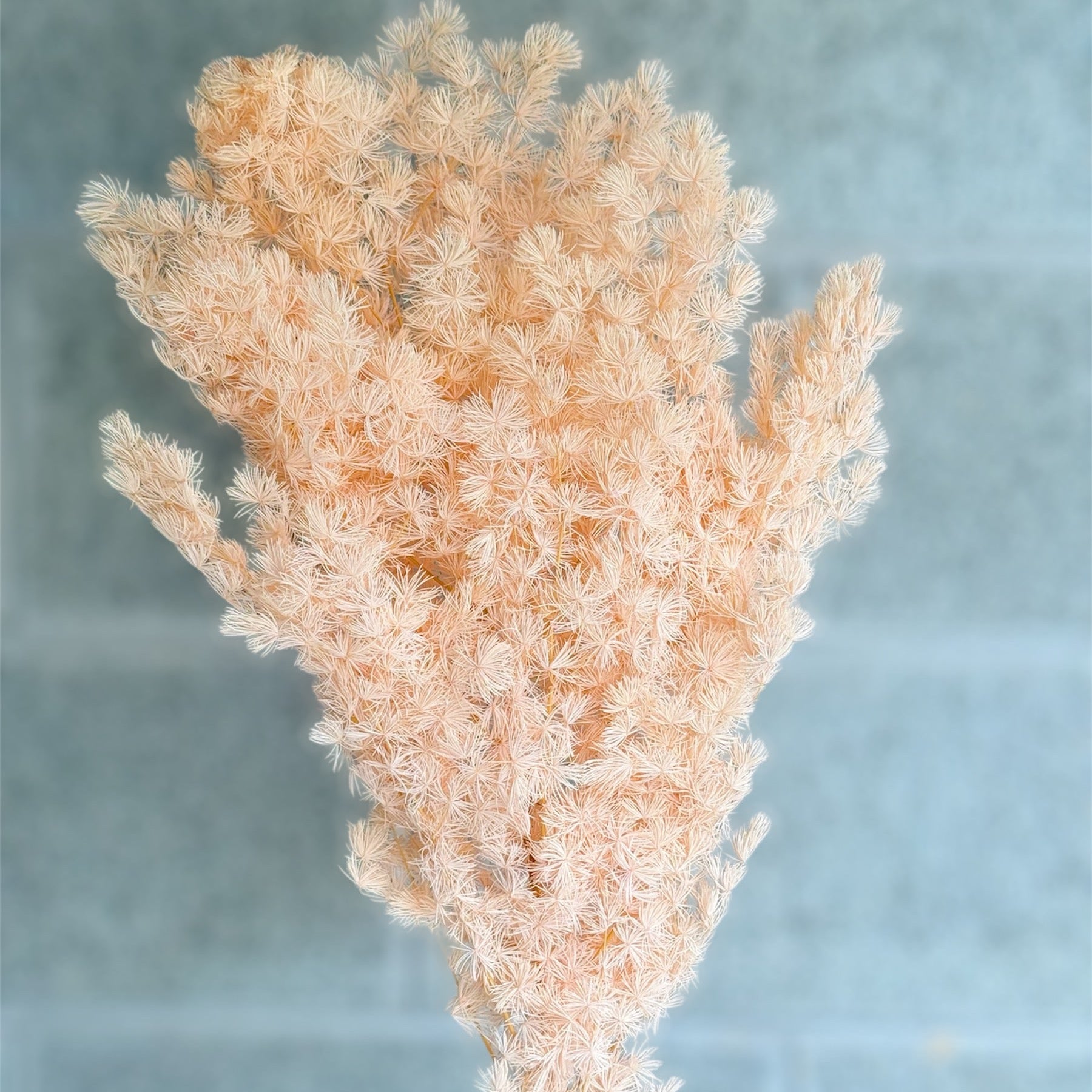
- Spring: Introduce soft pastel tones—blush bunny tails, ivory foliage, pale green accents. Pair with ceramic vases and fresh tulip bouquets to mix dried and fresh.
- Summer: Use brighter tones—golden wheat, amber seed pods, warm‑toned blooms. Light linen runners and rattan accents complement the sunlit vibe.
- Autumn: Go rich: rust, burnt orange, deep burgundy dried blooms, dusty sage foliage. Use vintage jugs or clay vases, and add candles or pine cones for warmth.
- Winter: Stick to neutral whites, silvers, greys—silver eucalyptus, Italian ruscus, white sola flowers. Pair with glass or metallic vases, and add fairy lights for ambience.
Because your stems are shop‑sourced and long‑lasting, you can reuse them across seasons—just swap the vase or backdrop to refresh the look.
Final Thoughts
Decorating with dried flowers opens up a world of beautiful, low‑maintenance, and sustainable décor possibilities. Whether you’re styling a console table, creating a centerpiece for your dining experience, or adding a subtle accent to your bedroom, the right dried stems can elevate your space. By choosing stems that match your palette and décor style, arranging them with intention, and caring for them gently, you’ll enjoy the beauty of botanicals without the upkeep of fresh flowers. And by selecting high‑quality stems from a trusted retail source, you’ll skip the drying process altogether and step straight into creating elegant, lasting arrangements. Your home deserves to breathe, bloom and remain effortlessly styled every day.